Maps #1, Death #7, Christianity #10
As West and East
In all flatt Maps—and I am one—are one,
So death doth touch the resurrection.
John Donne, “Hynme to my God in my Sicknesse” (c. 1630)


As West and East
In all flatt Maps—and I am one—are one,
So death doth touch the resurrection.
John Donne, “Hynme to my God in my Sicknesse” (c. 1630)
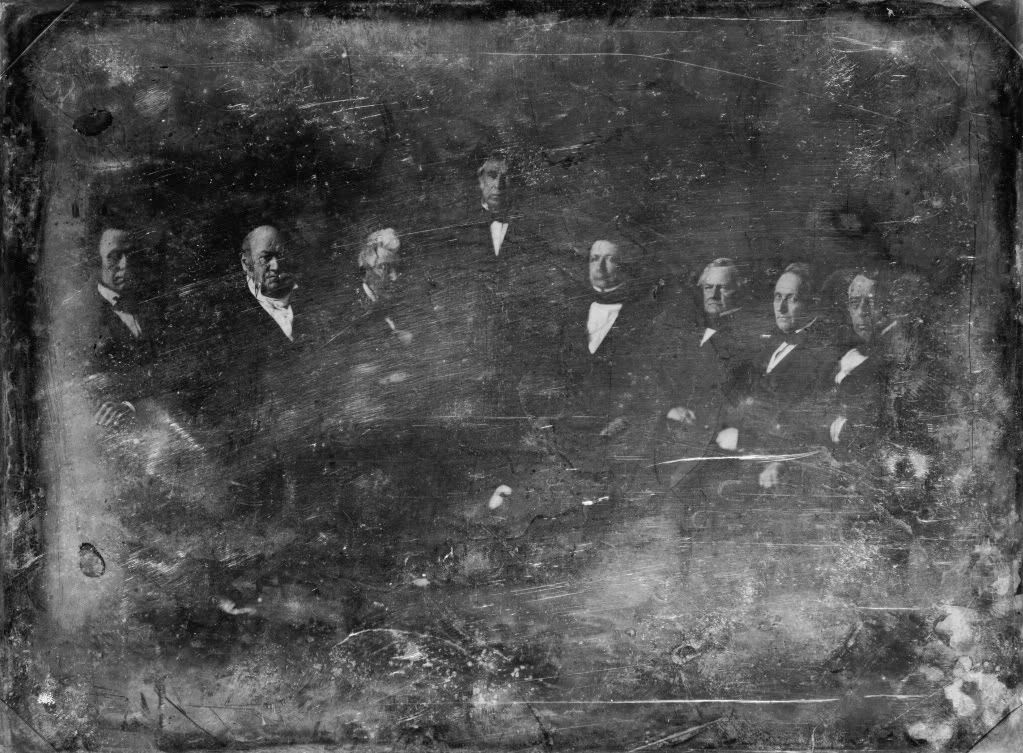
The administration of Zachary Taylor.
Standing is Taylor; seated are, left to right: William Ballard Preston, Secretary of the Navy; Thomas Ewing, Secretary of the Interior; John Middleton Clayton, Secretary of State; William Morris Meredith, Secretary of the Treasury; George Washington Crawford, Secretary of War; Jacob Collamer, Postmaster General; Reverdy Johnson, Attorney General. (1849)
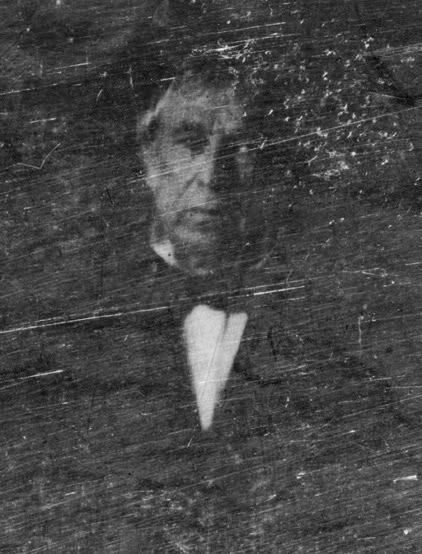
Below, closeup of Taylor.
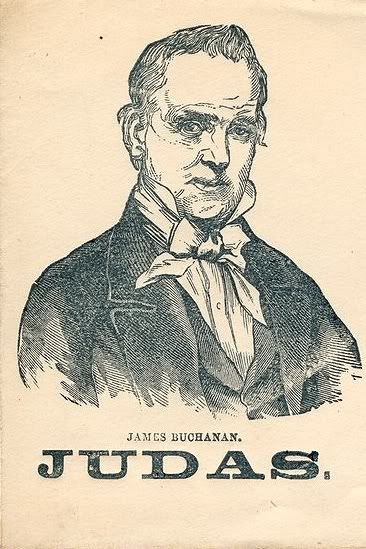
Detail view of pictorial envelope denouncing former President James Buchanan. The text reads:
He was elected President by fraud and trickery! Under his administration that Treasury was robbed! Duplicity and cowardice marked his career! finally, he sold his country to a band of Southern conspirators, and now lives to be pointed at with the finger of scorn, by all true men! and will go down to his grave unlamented.
(1861)
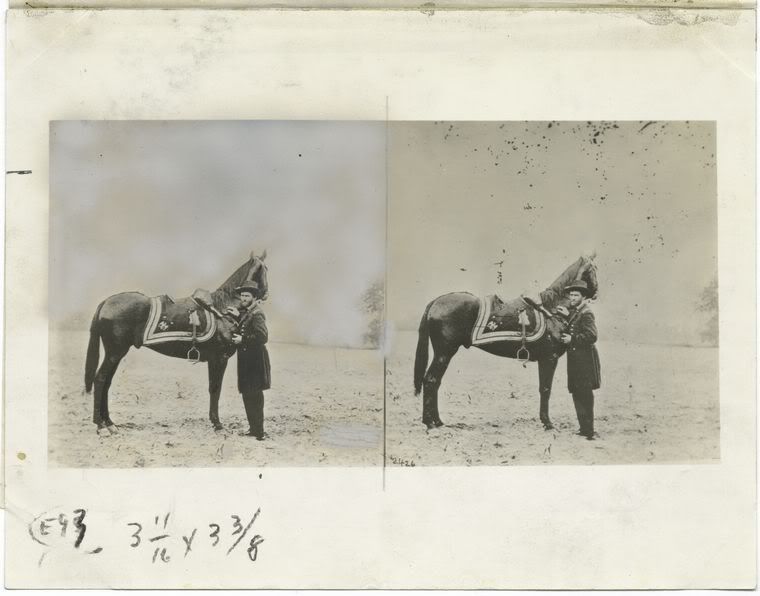
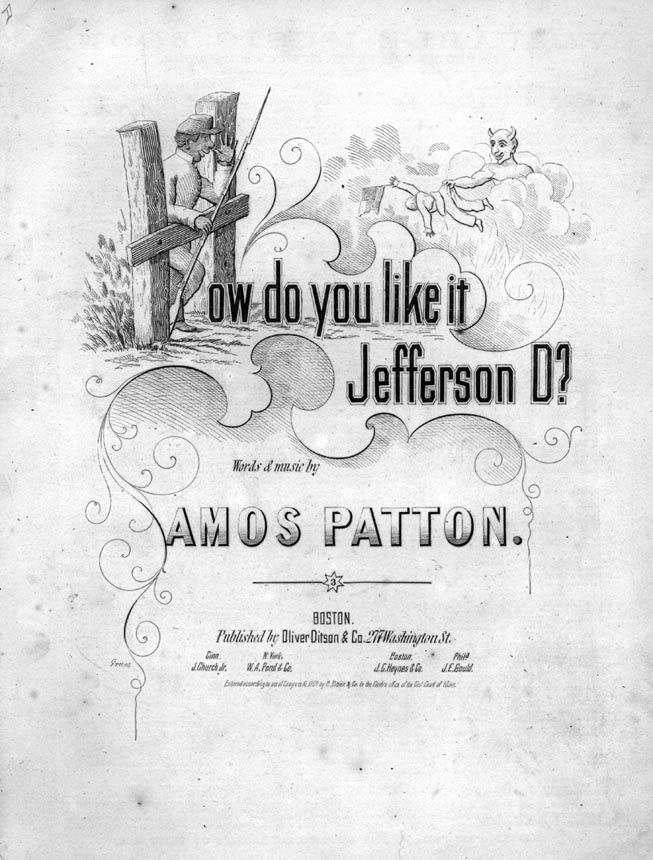
“How do you like it, Jefferson D?” Words and music by Amos Patton.(1864)
[T]he only people for me are the mad ones, the ones who are mad to live, mad to talk, mad to be saved, desirous of everything at the same time, the ones who never yawn or say a commonplace thing, but burn, burn, burn like fabulous yellow roman candles exploding like spiders across the stars...
Jack Kerouac, On the Road (1951/1957)
The tragedy of English cooking is that “plain” cooking cannot be entrusted to “plain” cooks.
Countess Morphy, English Recipes (1935)
Think of it, ye millionaires of many markets, what glory may yet be yours if you only listen to our advice, to convert pork into porcelain, grain and produce into priceless pottery, the rude ores of commerce into sculptured marble, and railroad shares and mining stocks—things which perish without the using, and which in the next financial panic shall surely shrivel like parched scrolls—into the glorified canvases of the world’s masters, that shall adorn these walls for centuries. The rage of Wall Street is to hunt the Philosopher’s Stone, to convert all baser things into gold, which is but dross; but ours is the higher ambition to convert your useless gold into things of living beauty that shall be a joy to a whole people for a thousand years.
Joseph H. Choate, to the Trustees of the Metropolitan Museum of Art, upon the opening of the museum. (1880)
Future Arterial Program, New York City
Triborough Bridge and Tunnel Authority (1963)
The final truth about life is always an absurdity but it cannot be an absolute absurdity. It is an absurdity inasfar as it mush transcend the “system” of meaning which the human mind always prematurely constructs with itself as the centre. But it cannot be a complete absurdity or it could not achieve any credence.
Reinhold Niebuhr, The Nature and Destiny of Man, Vol. 2 (1943)
Si l’Amour porte des ailes,
N’est-ce pas pour voltiger?
N’est-ce pas pour voltiger?
N’est-ce pas pour voltiger?
Beaumarchais, Le Mariage de Figaro (1784)
May it not be that we are shouting at Mr. [Henry] Ford because he has done us the inconvenience of revealing some of the American character a little too baldly? Is our indignation like that of the man making faces at himself in a mirror?
The first fact about Mr. Ford is that he is a very rich man. Whatever he says is therefore sure of a hearing in America. We have always acted instinctively on the theory that golden thoughts flow in a continuous stream from the minds of millionaires. Their ideas about religion, education, morality, and international politics carry weight out of all proportion to their intrinsic importance; and though we have not admitted that riches make wisdom, we have always assumed that they deserve publicity.
This automatic obeisance to wealth is complicated by our notions of success. We Americans have little faith in special knowledge, and only with the greatest difficulty is the idea being forced upon us that not every man is capable of doing every job. But Mr. Ford belongs to the traditions of self-made men, to that primitive Americanism which has held the theory that a successful manufacturer could turn his hand with equal success to every other occupation. ... Mr. Ford is neither a crank nor a freak; he is merely the logical exponent of American prejudices about wealth and success.
But Mr. Ford reveals more of us than this. He reflects our touching belief that the world is like ourselves. His attitude to the “boy in the trenches” is of a piece with his attitude to the boys in the Ford plant, kindly, fatherly, and certain that Mr. Ford knows what is best. His restless energy and success appear as a jolly meddlesomeness. He gives his boys good wages and holds them to good morals. He is prepared to do like for the boys in Flanders and around Monastir. Why shouldn't success in Detroit assure success in front of Bagdad? [sic] If Mr. Ford is unable to remember all men are not made in his own image, it is not strange. Have Americans ever remembered it? Has our attitude towards the old world ever assumed that Europe was anything but a laborious effort to imitate us?
Walter Lippman, “A Little Child Shall Lead Them” (December 4, 1915)
Expressive esoterica: Film Culture 28, featuring Andrew Sarris' "American Directors" rankings and filmography, later revised into book form as American Cinema: Directors and Directions 1929-1968. (1963)